
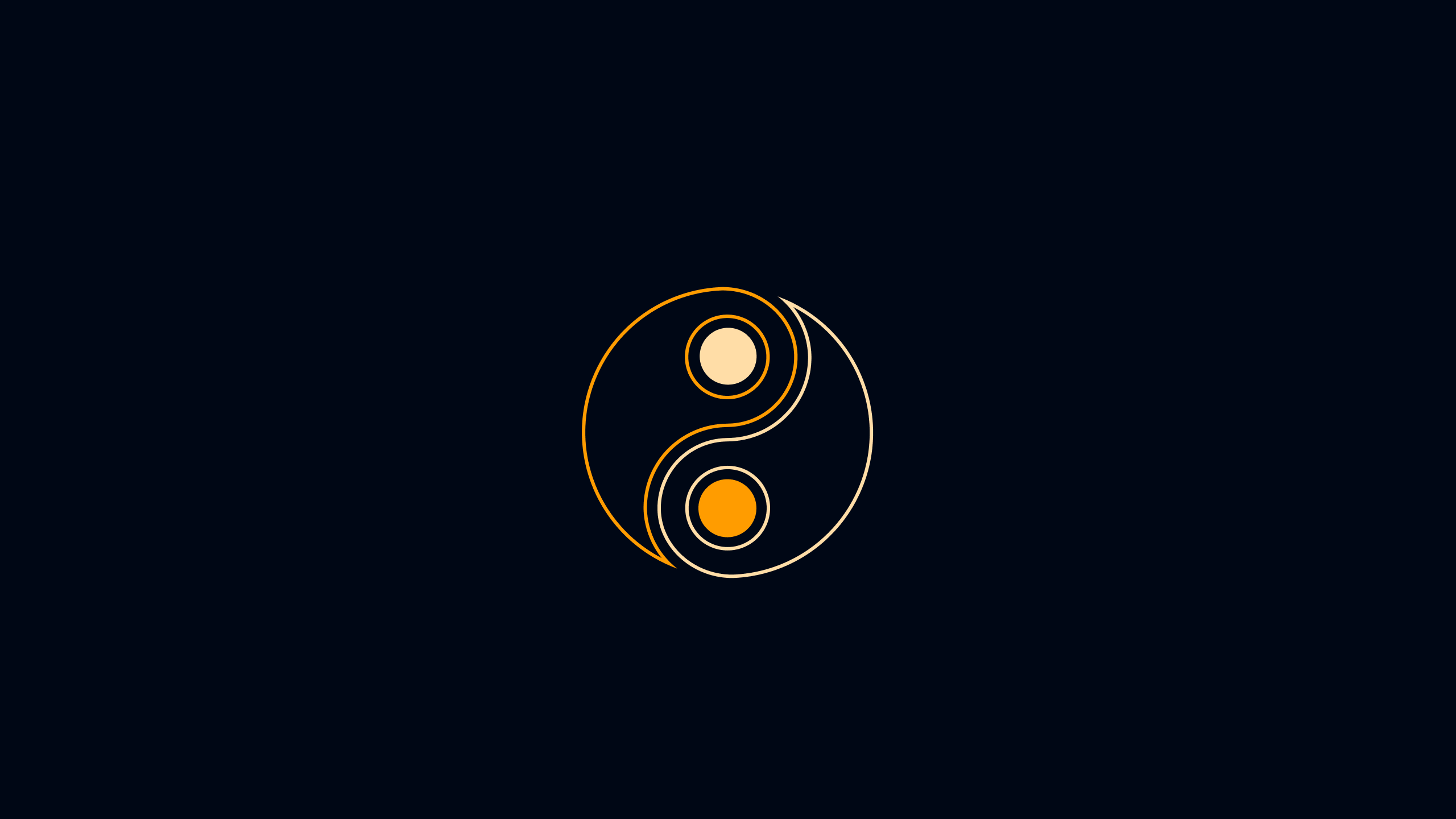
"Wholeness is not achieved by cutting off a portion of one’s being, but by integration of the contraries." | Carl Gustav Jung
The split between thought and feeling isn’t just personal. It’s planetary.
Some cultures lean into logic. Others flow with feeling.
One optimizes. The other preserves.
One calculates. The other intuits.
Neither is whole.
Each calls the other incomplete—never realizing they’re mirror images of the same imbalance.
In some nations, efficiency is the standard.
Systems hum. Goals are met. Everything runs.
But so does the anxiety. The burnout. The quiet numbness underneath.
In other places, feeling guides the rhythm.
There’s presence. Emotion. A sense of soul.
But without structure, chaos creeps in.
Emotion, left unanchored, can turn directionless.
Some nations prioritize progress. Others, preservation.
But both pay a price for imbalance.
The mind-heart split isn’t just a personal struggle—it’s a cultural wound.
Long before factories, people lived by the pulse of the present.
Wisdom flowed through myth, story, and stillness.
But then came machines.
Then came productivity.
Then came Descartes: “I think, therefore I am.”
And slowly, the world forgot what it meant to feel without needing to define.
The Industrial Age didn’t just build factories.
It built mental walls.
Thought was crowned king.
Emotion was demoted to background noise.
Some societies clung to the heart. Others chased the mind.
But the fracture was shared.
Now, the machine thinks.
AI handles logic.
Automation handles calculation.
The mind no longer needs to prove its worth through precision.
What remains for us is what was abandoned:
Presence. Vision. Feeling. Awareness.
The Digital Age doesn’t reward compartmentalization.
It asks for integration.
Logic without empathy builds blind systems.
Feeling without discernment collapses into confusion.
The challenges of this era are not linear.
They don’t need more thought—or more feeling.
They need both.
Wholeness is no longer optional.
And the polymath of this age is not the one who masters many fields—
but the one who refuses to separate what was never truly divided.
There’s nothing to reclaim.
Intuition isn’t missing—it’s just hidden beneath a noise the mind won’t stop making.
Clarity doesn’t come from choosing sides.
It comes when the division itself dissolves.
Logic and feeling were never at war.
Only the mind created that conflict—and only awareness can end it.
What if your culture’s dysfunction is a reflection of your own internal split?
What would it feel like to stop identifying as a thinker or a feeler?
Can you imagine a life where wholeness is not something to achieve—
but something that’s already here, quietly waiting for you to notice?
Thank you for your attention,
Perspective First