
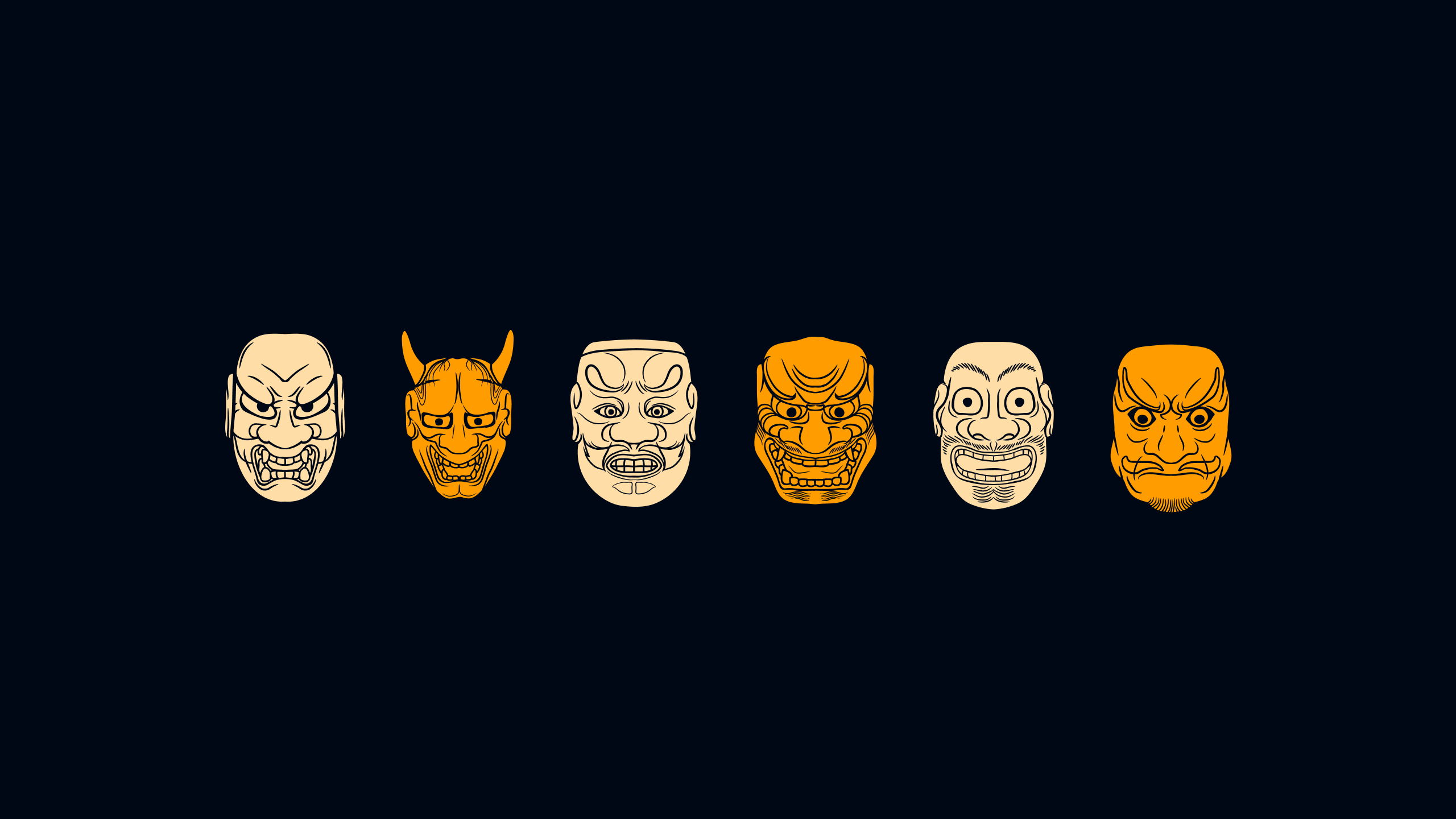
“The great majority of us cannot listen; we find ourselves compelled to evaluate, because listening is too dangerous. The first requirement is courage, and we do not always have it.” - Carl R. Rogers
Listening looks polite from the outside. Inside, it's a risk.
Watch yourself in your next conversation. You speak; I assemble my reply behind my eyes. My face nods while my mind edits your words into a shape I can survive. We call this dialogue. Often it's just synchronized broadcasting.
To listen is to lower the shield of your rehearsed self and allow another reality to make contact. Not to wait your turn. Not to reload your point.
To be available to be changed.
Most of what we call listening is staging.
The nervous system prefers prediction to contact
Your brain is an efficient guesser—it sketches the world in advance and then fits incoming sound into the sketch.
Notice this at work: your colleague starts describing a problem and halfway through, you're already formulating solutions. Your partner begins sharing their day and you're already categorizing it as venting, complaining, or information-sharing.
It saves energy. It also saves face. If I can map you before you finish, I don't have to meet the parts of you that don't match me.
This is why real listening feels like exposure: your map has to loosen its borders. Something unapproved might enter. The self might have to make room.
In relationships, this shows up as:
Finishing each other's sentences (but missing what they were actually building toward)
Saying "I know exactly what you mean" before they've finished explaining
That moment when you realize you've been waiting to talk, not listening to understand
At work, it manifests as:
Meetings where everyone broadcasts their position but no one's mind changes
The colleague who always "yes, but..." every suggestion
Performance reviews that feel like parallel monologues
Two kinds of silence
There is a silence that dodges; there is a silence that receives.
You can feel the difference instantly. In the first, time stretches thin—you sense the person calculating their response. In the second, time deepens; even the air seems to lean closer. The same physical quiet, entirely different quality of attention.
One hides in politeness. The other opens a door and steps back.
Think about your last meaningful conversation—not the transactional ones, but where something shifted. The person wasn't just waiting for you to finish. They were present with your actual words, not preparing their counter-narrative.
Mystics called it attention and treated it as reverence. Scientists call it presence and measure its effects in pulse, breath, and the softening of defensive circuitry.
Two vocabularies for the same posture: a nervous system that has stopped bracing.
Why we resist
Noise culture rewards the opposite. Takes must harden to survive the feed. Speed stands in for thought. Identity rides on being unfazed. In that economy, listening is liability—it risks nuance, which risks belonging.
But there are truths that refuse to shout their way through. They require a human room with no performance in it. They arrive only when someone is willing to be unguarded for longer than is comfortable.
What keeps us from that room isn't ignorance. It's fear.
If I really hear you, what becomes of the story I've built? If I follow your sentence to its end, will it carry me somewhere I don't control? If I let your sorrow, your argument, your ordinary day pass through my skin, who will I be on the other side?
We pretend the danger is in your words. Often the danger is in my willingness to remain the same.
Consider your most difficult relationships. The ones where conversations feel like negotiations rather than exchanges. Notice how much energy you spend maintaining your position versus understanding theirs. The armor feels protective, but it also prevents the contact that could actually resolve things.
The discipline of contact
There is a listening that holds back judgment without losing discernment. It doesn't surrender the capacity to disagree; it suspends the reflex to defend. It lets the other finish assembling their meaning before mine rushes in to renovate it.
This is not passivity. It's a discipline of contact.
To let a fact be a fact before it becomes my argument. To let a person be a person before they become my category.
Pay attention to the micro-movements that break it:
The inhale that prepares a counterpoint
The eyebrow that telegraphs dismissal
The word "but" warming in the mouth like a match
These are not moral failures. They are tiny bracings—proof that listening is physical. The body votes first.
You can feel when it chooses armor. You can feel when it sets the armor down.
In practice, this looks like:
The pause before responding, even when you disagree
Asking "What else?" when someone finishes what seems like a complete thought
Noticing your urge to correct and choosing curiosity instead
The uncomfortable moment when someone's pain touches yours
The transformation
Some truths refuse translation until they are heard. They don't yield to analysis or argument; they yield to contact. Only after they're received do they become thinkable. Only after they are allowed in do they allow themselves to be named.
Which makes listening a threshold practice: between what was defensible and what is undeniable. Between the person I maintain and the person I might become.
Most relationship problems aren't communication problems—they're listening problems. Most workplace friction isn't about competence—it's about the armor we wear when receiving information that might challenge our position.
Think about the last time someone really heard you. Not agreed with you, not fixed you, but actually received what you were trying to communicate. The relief you felt wasn't about being right—it was about being met. About the risk of expression being matched by the courage of reception.
That same transformation is available in reverse. When you hear someone without armor, you're not just receiving their words—you're creating space for their humanity. And in that space, both people become more real.
The practice isn't about becoming a better listener. It's about becoming someone who can be changed by contact. Someone whose identity is secure enough to risk being wrong, being surprised, being moved.
Listening is the courage to be changed by contact.
This is what real dialogue creates: not agreement, but deeper understanding. Not winning, but mutual recognition. Not performance, but presence.
In a world of synchronized broadcasting, genuine listening becomes a radical act.
Gratefully,
Perspective First
The Practice Continues
Each week, we explore where profound insights meet the reality of being human. Where transformation happens not just through theory or practice, but through recognition.